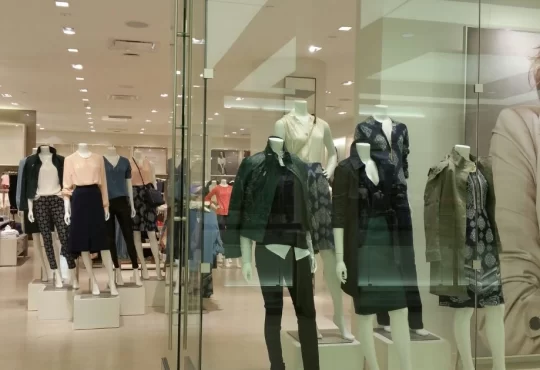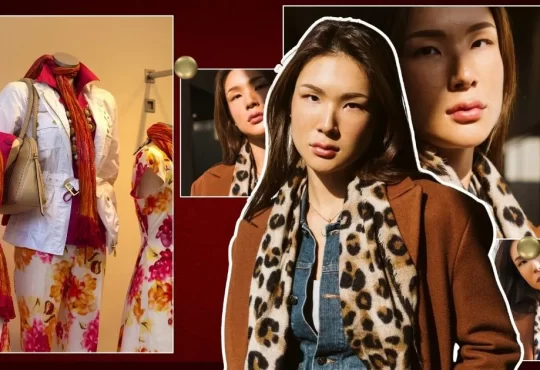


Closets are often overfilled with clothing, shoes, and accessories, creating clutter and making it difficult to find the right outfit. When items are stacked, folded improperly, or scattered, daily routines become stressful. Effective wardrobe organization is not about aesthetics alone. It focuses on function, accessibility, and durability, ensuring that clothing is easy to locate, properly stored, and maintained for long-term use.
A well-organized wardrobe improves efficiency, reduces unnecessary purchases, and encourages the use of existing clothing. These strategies provide actionable methods to create a structured closet that supports daily routines without sacrificing style.
Wardrobe Organization Made Easy in 10 Smart Steps
1. Start With a Wardrobe Edit
The first step toward a functional closet involves reducing excess clothing. A cluttered wardrobe cannot be organized effectively without eliminating items that are rarely worn or no longer fit.
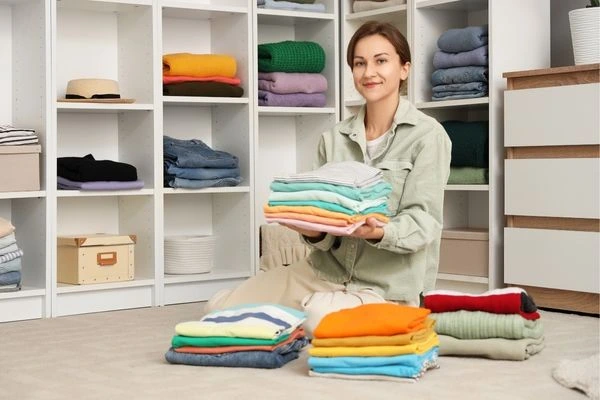
Sorting clothing into categories such as tops, bottoms, dresses, outerwear, and shoes creates a systematic approach. Each item should be evaluated based on frequency of use, fit, and relevance to daily activities. Items that no longer meet these criteria can be donated, recycled, or set aside for evaluation in a trial period. A three-month trial period provides a clear timeline for determining whether an item is genuinely needed. If unused within that timeframe, items can be removed permanently.
This editing process creates space, improves visibility, and simplifies decision-making when selecting outfits. It also establishes a clear foundation for efficiently organizing the remaining items.
2. Organise According to Dressing Habits
An effective organization aligns with how clothing is typically worn. Grouping items solely by type or colour may look visually appealing, but it does not necessarily reflect practical use.
Clothing can be divided into lifestyle categories for greater accessibility. Categories may include:
- Everyday casual wear
- Work or professional attire
- Formal or event wear
- Lounge or home clothing
- Athletic or activewear
Within each category, items can be further arranged by type, colour, or frequency of use. This structure supports quick outfit selection and reduces decision fatigue during daily routines.
3. Visibility as a Key Organisational Principle
A significant obstacle to efficient use of clothing is poor visibility. Items that are hidden or piled are often forgotten or overlooked, leading to repeated purchases and wasted resources.
Prioritizing frequently worn clothing by placing it at eye level ensures accessibility. Less-used items, such as seasonal pieces or formal wear, can be stored on higher or lower shelves.
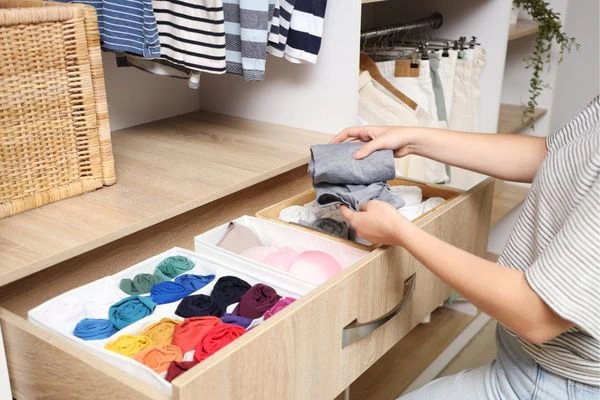
Drawer organization benefits from vertical folding techniques, which keep each item visible without disturbing the others. Vertical folding is effective for T-shirts, activewear, pyjamas, jeans, and knitwear. This method prevents clothing from becoming buried and reduces wrinkles caused by stacking.
4. Color Organization for Efficiency
Organizing clothing by colour enhances both aesthetics and functionality. Sorting items from light to dark, grouping neutrals separately, or arranging by a colour spectrum simplifies outfit coordination and speeds up selection.
Colour organization reduces visual clutter, highlights wardrobe gaps, and makes it easier to recognize favourite items. Options include grouping blacks, separating bright colours, or creating a rainbow order from lightest to darkest. Colour arrangement can be applied to hanging clothing, folded items, or accessories.
5. Optimising Hanger Use
Hangers play a critical role in maintaining a structured and accessible closet. Using matching hangers improves visual cohesion, prevents slipping, and maximizes space efficiency.
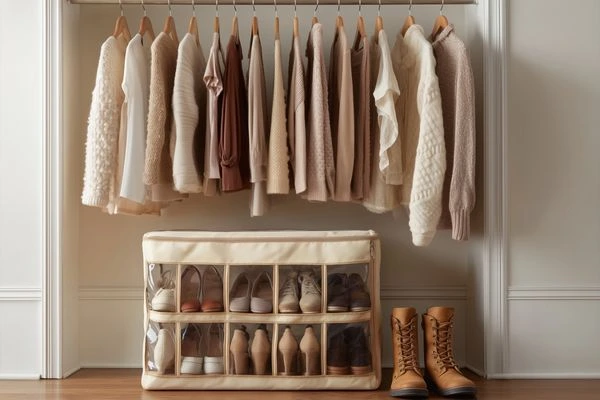
Clothing can be grouped by category and organized by colour in each category. Examples include grouping all button-ups, jackets, dresses, and outerwear. Hanger orientation should be consistent to make scanning the closet faster and more intuitive.
Specialized hangers, such as slim velvet hangers, prevent items from slipping and allow more garments to fit in the same space. Uniform hangers create a visually cohesive and functional system without additional tools or complicated setups.
6. Creating a Priority Section
Designating a section for frequently worn items simplifies daily outfit selection. This section can include favourite tops, go-to bottoms, preferred jackets, and most-used shoes.
A priority section reduces decision fatigue, increases the use of existing clothing, and highlights current favourites. Seasonal rotation allows the section to be updated without a complete closet overhaul. This method ensures essential items are always accessible while maintaining overall organization.
7. Shoe and Bag Organisation
Shoes and bags require specific storage solutions to maintain accessibility and preserve condition. Proper storage improves longevity and reduces clutter.
Shoes are best stored in open shelves, angled racks, or clear boxes to allow visibility. Frequently worn shoes should be placed in easy-to-reach locations, while seasonal or special occasion shoes can be stored higher or farther back.
Bags benefit from hooks, dividers, or structured containers that maintain shape. Smaller accessories inside bags, such as wallets or organizers, can also improve functionality. Grouping bags by size, frequency of use, or purpose ensures items remain accessible and protected.
8. Small Organizers for Accessories
Accessories such as belts, scarves, jewellery, and socks often create minor clutter that becomes overwhelming over time. Small organizers, such as dividers, trays, or clear boxes, provide order and help prevent disorganization from spreading.
Assigning a dedicated space for each accessory category ensures ease of use and supports maintenance of the overall system. A small investment in organizational tools can prevent recurring problems and simplify daily routines.
9. Seasonal Rotation for Space Optimization
Rotating clothing seasonally creates breathing room in the closet while making it easier to access current items. Seasonal rotation involves storing out-of-season clothing in bins, top shelves, or under-bed containers while bringing current-season clothing forward.
Seasonal rotation has multiple benefits:
- Reduces overcrowding and improves visibility
- Highlights items that may have been forgotten
- Encourages the use of clothing that has not been worn recently
This process allows for a refreshed wardrobe experience without additional purchases, creating a sense of novelty for previously stored items.
10. Outfit Assembly Techniques
Organizing clothing by outfit rather than by item type can enhance efficiency. Pre-building outfits ensures that all elements are available and reduces time spent coordinating pieces.
Practical tools include outfit dividers, accessory attachment systems, and digital photos of pre-assembled outfits. This method is beneficial for:
- Professional or work attire
- Special occasions or events
- Travel packing
- Busy weekly schedules
An outfit-first approach simplifies selection and encourages the use of clothing that may otherwise remain untouched.
Maintenance Habits
Sustainable wardrobe organization requires consistent maintenance. Small, regular routines prevent clutter from accumulating and ensure that systems remain effective.
Recommended maintenance practices include:
- Weekly five-minute tidying sessions
- Following a one-in, one-out rule for new purchases
- Conducting seasonal check-ins to verify storage and accessibility
Consistent upkeep helps maintain awareness of available items and reduces unnecessary clothing purchases, supporting long-term organizational goals.
Benefits Beyond Organization
A structured wardrobe offers advantages that extend far beyond the closet itself. When clothing is organized effectively, daily routines become smoother and less stressful. Efficient outfit selection eliminates the frustration of rummaging through piles of clothing, reducing the mental load at the start of each day. This clarity allows for faster decision-making, freeing up time that would otherwise be spent searching for items or piecing together an outfit.
Clear visibility of all clothing items prevents accidental duplicate purchases and encourages more intentional shopping habits. When every garment is easy to see and accessible, it is easier to assess wardrobe gaps, recognize which items are already owned, and make purchasing decisions with purpose. Over time, this approach supports thoughtful wardrobe curation, minimizing waste and extending the lifespan of garments. Clothing is less likely to be forgotten in storage, and investment pieces are used more consistently. This practice aligns with sustainable consumption patterns by encouraging the use of existing resources before acquiring new ones.
A well-organized wardrobe also enhances style and outfit creativity. When clothing, shoes, and accessories are visible and grouped logically, combining items into cohesive outfits becomes easier. Patterns, textures, and colour combinations that might have been overlooked are more likely to be noticed and utilized, expanding the wardrobe’s versatility. Ready access to all items encourages experimentation with layering, accessorizing, and mixing new combinations, reducing repetitive or uninspired looks.
Beyond creativity, an organized wardrobe contributes to overall satisfaction with clothing choices. Decision fatigue is reduced when options are clearly displayed and easy to evaluate. The ability to see all garments at a glance allows for more strategic outfit planning, whether for work, social events, or casual days. Clothing can be used to its full potential, maximizing value, functionality, and enjoyment. This sense of control over the wardrobe often creates a positive ripple effect, fostering a more mindful and intentional approach to personal style and consumption.
Ultimately, wardrobe organization is not just about neatness; it directly affects quality of life, daily efficiency, and sustainable habits. By making clothing more accessible, reducing unnecessary purchases, and encouraging creative outfit combinations, an organized wardrobe becomes a tool for both practicality and personal expression, rather than merely a storage space.
Creating a Functional Wardrobe That Lasts
Functional wardrobe organization prioritizes accessibility, visibility, and consistent maintenance over purely aesthetic considerations. Editing, categorizing, folding, and colour organization form the foundation of an efficient system.
Shoe and bag organization, accessory containment, seasonal rotation, and outfit assembly strategies further improve usability. Regular maintenance ensures the system remains effective over time.
A structured wardrobe transforms daily routines, encourages sustainable use of clothing, and allows for intentional, mindful outfit selection. Practical strategies create a space where clothing serves its purpose efficiently, reduces stress, and supports long-term style and consumption goals.